1. Introduction
Exchanging ideas, traditions, and knowledge with someone who may have a totally different background from your own is referred to as cultural exchange. When more individuals learn to work together and cooperate, there is a mutual knowledge of one another's lifestyles, which subsequently translates to the promotion of global friendship and goodwill. In educational institutions such as the Midlands State University, which enrols international students, a day is set aside to honour the various cultures, paving the road to strengthening everyone's cultural basis
| [9] | Dayour, F., & Adongo, C. A. (2015). Why they go there: International Tourists’ Motivations and Revisit Intention to Northern Ghana. American Journal of Tourism Management 4(1), 7–17. |
[9]
. In every culture, it is advantageous for a person to be perceived as culturally effective by others. However, in order to be culturally effective, competence in one's own environment is insufficient. When cross-cultural and language considerations are included, achieving cultural competency requires effort and experience
| [25] | Lee, Y. J., Davis, R. O., & Li, Y. (2021). International graduate students’ experiences of english as a medium of instruction (EMI) courses in a Korean University. International Journal of Learning, Teaching and Educational Research, 20(9), 38–51. |
| [33] | Marbun., S. (2025). The Commodification of culture in global tourism: Balancing authenticity, sustainability, and ethical practices amidst disruption. Proceedings of International Seminar of Culture and Tourism AKBI. Retrieved 14th January 2026 from website;
https://ojs-akbi.org/index.php/proceeding/article/view/1?utm_source=chatgpt.com |
[25, 33]
. A case in point is a cultural exchange programme between the United States and South Korean universities. The goal is to allow the students to continue their present academic programmes at their respective colleges while immersing them in a partnering experience that would help them understand their own culture and that of their partners better
. Students were however known to model global partnerships using what they had learnt from a long-standing cross-cultural and international cooperation, including self-awareness, trust in one another, and respect for others’ culture. Students from South Korea were allowed to learn traditional American clothing, cultural dance, accent and their traditional foods while students from the United States were also allowed to learn South Korean cultural activities such as their language, traditional dance, foods and clothing
.
Jakarta for instance is home to thousands of people of all nationalities from throughout Indonesia
| [20] | Hollinger, G. A., & Sukhatme, G. S. (2014). Sampling-based robotic information gathering algorithms. The International Journal of Robotics Research, 33(9), 1271-1287. |
[20]
. They also implemented what is known as Intercultural Communication (ICC) in one of the private universities in Jakarta that incorporates the idea of running offline classes, a virtual trade programme, excursion activities and also projects as part of their pupils' coursework. Between the participants and their Swedish friends, there was a virtual exchange and as a result, culture was represented as an iceberg with an upper and lower portion. This idea is further supported by Lopez-Rocha
| [30] | Lorenza, G., & Sfodera, F. (2023) Authenticity in historical art cities according to the resilience orientation. Turistica-Italian Journal of Tourism, 32(1). |
[30]
, who opines that understanding a culture involves more than just observing its outward manifestations, such as its foods, languages and festivals. It also involves understanding its inner, or hidden components, such as a peoples’ beliefs, values and perceptions
| [20] | Hollinger, G. A., & Sukhatme, G. S. (2014). Sampling-based robotic information gathering algorithms. The International Journal of Robotics Research, 33(9), 1271-1287. |
[20]
.
Sub-Saharan Africa (SSA) is often overlooked when it comes to its global culture influence. In the 14
th century, scholars from all over the world travelled to modern-day Mali to be educated in the kingdoms’ university
. There are hundreds of historical and cultural landmarks dotted across Africa that still highlights the past. Till date, each West African country has its own beautiful tale of cultures
| [23] | Juliana, J., Sihombing, S. O., Antonio, F., Sijabat, R. & Bernarto, I. (2024). The role of tourist experience in shaping memorable tourism experiences and behavioral intentions. International Journal of Sustainable Development and Planning, 19(4), 1319-1335. |
[23]
. In Tanzania for example, they have the Perspective Development Skills (PDS), a Community Cultural Exchange Programme which is aspired to be a significant way of exposing people across the world to realities that they might not otherwise be exposed to. It also enables meaningful communication between those living at different corners of the globe. Cultural exchange programmes serve a crucial part in fostering effective communication worldwide by assisting those with varied lifestyles in appreciating and understanding various cultures. For instance, the tourism hub of Tanzania (Zanzibar) runs a cultural exchange programme dubbed, learn how to cook Zanzibar, discover the life of the local markets by day and night, taste more than fifteen (15) types of Zanzibar foods, discover historical places of Zanzibar and learn Swahili language all as a packaged programme pioneered in that country to foster cultural exchange
| [42] | Ramires, A., Brandao, F., & Sousa, A. C. (2018). Motivation-based cluster analysis of international tourists visiting a World Heritage City: The case of Porto, Portugal. Journal of Destination Marketing & Management, 8, 49-60. |
[42]
.
Ghana is also well known for its vibrant culture and history and like the majority of African countries, Ghana has diverse traditional customs that vary from one ethnic group to another such as their traditional textiles, traditional dances, traditional foods including kingship ties and festivals. Ghana has cultural exchange programmes such as the Ghana-US Cultural Exchange Programme. This programme is supported by the U. S Embassy in Ghana and offers opportunities for Ghanaian students and professionals to visit the United States for short-term exchanges
| [9] | Dayour, F., & Adongo, C. A. (2015). Why they go there: International Tourists’ Motivations and Revisit Intention to Northern Ghana. American Journal of Tourism Management 4(1), 7–17. |
[9]
. The programme also supports American students and professionals to visit Ghana to learn about Ghanaian culture and history. Another case in point is the overseas experience in social work programmes done in consonance with the Council on Social Work Education's emphasis on global context of social work practice. Some schools of social work facilitated international experience for their students and faculty. In 2010 for instance some U. S. students who studied abroad in Ghana (in summer 2010), under the University Studies Abroad Consortium (USAC) reported of great impacts of the USAC Ghana programme. Study Abroad Ghana is an International Experiential Learning Programme that reported on the warm people and culture of the host country (Ghana) including intra-country trips/tours which were of immense benefit to the student participants from the USA
| [6] | Boateng, A. & Oppong-Tetteh, A. M. (2013). Study Abroad Ghana: An International Experiential Learning. Journal of social Work Education, 49(4), 701-715. |
[6]
.
In the northern parts of Ghana, the cultural dynamics take on a whole new length compared to the south
| [13] | García Canclini, N. (2014). Imagined globalization. Durham: Duke University Press. |
[13]
. Tamale is becoming more cosmopolitan, as it is now dominated by Dagombas, Nanumbas, Mamprusis, Gonjas, people of southern extraction and a lot more expatriates. Some important components in Dagomba culture includes the Bugum and Damba festivals. The Dagombas are the second largest by tribe in the Northern Region and currently are over a million natives
| [13] | García Canclini, N. (2014). Imagined globalization. Durham: Duke University Press. |
[13]
There is respect for royalty and the elderly and they receive visitors warmly in their communities
| [13] | García Canclini, N. (2014). Imagined globalization. Durham: Duke University Press. |
[13]
.
Tamale is home to the Tikali Cultural Exchange Programme which is basically a house-to-house tour and their packages include learning sheanut picking and sorting, sheabutter production, traditional cotton spinning, smock (fugu) production, local foods preparation, basket weaving, pottery and art, drumming and dancing, including admiring how thatch roofs are crafted and local architecture is done by artisans etc to which tourists from different countries come to experience. Culture actually is the main driver of any tourism destination and has a role in facilitating and shaping intercultural dialogue
| [10] | Demigha, S., & Kharabsheh, R.). The Influence of National Culture on Knowledge Sharing. Journal of Knowledge Management Application and Practice. 50(1), 43–50. |
[10]
. This study therefore focuses on ascertaining the perception of the initiators (resident stakeholders) of the Tikali Cultural Programme of Tamale (its suburbs inclusive) pertaining to how tourism can be used as a tool in promoting indigenous culture, thus leveraging some assistance in order to make the destination more attractive to tourists enabling benefits flow the way of the local people.
Problem Statement
In Ghana there are many forms of rich cultural heritages displayed in different parts of the country, and people in recent times neither pay heed nor attention to these rich cultures thereby denying them the promotion they deserve. The northern part of Ghana especially Tamale and its surrounding communities have lots of exciting cultures and festivities to offer but the capacity to manage these resources well and develop same into products is feeble. These cultural resources are not properly harnessed to foster development in the host communities
| [13] | García Canclini, N. (2014). Imagined globalization. Durham: Duke University Press. |
[13]
. Moreover, the greatest bane to cultural upliftment in the country in recent times is the rapid rate of modernization which has brought untoward changes to Ghana’s culture and traditions leading to loss of traditional values, erosion of languages, disintegration of family structures and disregard for local wears and attire, food including indigenous ways of living as extended families. Indeed, modernity has led to a decline in traditional values and customs in many African countries generally
| [39] | Oguboshim, F. C. (2021). Adequacy of sample size in a qualitative case study and the dilemma of data saturation: A narrative review: World Journal of Advanced Research and Reviews. 10(03), 180–187. |
[39]
with Ghana and Tamale being no exception with the adaptation of western culture and lifestyles, now seen as fashion especially with the patronage of western form of clothing
| [1] | Adade, A. (2023). Impact of westernization on Ghanaian culture and fashion. International Journal of Fashion and Design, 2(1), 1-11. |
[1]
. In this regard, many Ghanaian youths have abandoned their cultural and traditional ways of living which is gradually leading to the loss of our cultural identity
| [36] | Moalosi, R., Popovic, V. & Hickling-Hudson, A. (2010). Culture-orientated product design, International Journal of Technology and Design Education, 20(2), 175-190. |
[36]
. It is also noteworthy in recent times that the widespread use of modern technologies and materials has led to a decline in the growth of traditional industries such as weaving, pottery and carving which are gradually also dying out and resulting in loss of craft related industry jobs for many citizens who were involved in these industries
| [36] | Moalosi, R., Popovic, V. & Hickling-Hudson, A. (2010). Culture-orientated product design, International Journal of Technology and Design Education, 20(2), 175-190. |
[36]
. The introduction of the Tikali Cultural Exchange Programme with patronage by foreign guests is however helping in the re-awakening of the interest in such arts and values of our culture by natives as they now see culture as a product which can attract income from visits. At a time when a lot of people seemingly have adopted false identities within them thereby losing pride in their own culture, this study is only coming at a time when the chieftaincy institution in Ghana, the Ministry of Tourism Art and Culture (MoTAC) and the Centre for National Culture are calling for the promotion of our culture for the purposes of attracting tourism and sustenance of our future generations.
The study’s overarching goal therefore is to ascertain the perceptions of the local residents of the Tikali area on how the cultural exchange programme can be used as a means to promote indigenous culture using tourism as a tool. Specifically, the study seeks to; Study the variety of cultural attractions in the Tikali area that have potential to attract tourists; assess the tourism potentials of the Tikali Cultural Exchange Programme since its inception and evaluate the marketing strategies employed by management to attract guests to the programme and to examine barriers that hinder the vibrancy of the Programme.
2. The Culture-tourism Nexus
The ensuing literature hinges on cultural products that attract tourists, tourism potentials associated with culture, marketing strategies adopted by cultural destinations and problems that hinder the use of culture as a tourism product.
2.1. Cultural Products That Have Potentials to Attract Tourists
Cultural tourism products and exhibitions include archaeological and architectural museums, national parks, wildlife sanctuaries, mosques, temples, and churches. Others include treasures, such as historic or heritage sites, monuments and landmarks, performing arts, social customs, rituals, and festivals including traditional handicrafts and knowledge of nature and the cosmos
| [59] | Zhone, Y. (2024). Study on the culture experiential and symbolic consumption of a heritage site—A case study of Mount Lushan in China. Thesis submitted for the award of DBA at University of Wales Trinity Saint David |
[59]
. It is naturally compatible with the growth of tourism since it embodies the historical, cultural, and aesthetic characteristics of popular tourist locations
| [59] | Zhone, Y. (2024). Study on the culture experiential and symbolic consumption of a heritage site—A case study of Mount Lushan in China. Thesis submitted for the award of DBA at University of Wales Trinity Saint David |
[59]
.
Travellers now want to experience a range of performing arts, handicrafts, cuisine, and traditional rituals, and intangible cultural heritage which has grown to be one of the tourist industry's primary driving forces
| [5] | Arcos-Pumarola, J. Paguin, A. G. & Sitges, M. H. (2023). The use of intangible heritage and creative industries as a tourism asset in the UNESCO creative cities network. Heliyon, 9(1)
https://doi.org/10.1016/j.heliyon.2023.e13106 |
| [59] | Zhone, Y. (2024). Study on the culture experiential and symbolic consumption of a heritage site—A case study of Mount Lushan in China. Thesis submitted for the award of DBA at University of Wales Trinity Saint David |
[5, 59]
. Local intangible cultural heritage can provide significant economic benefits to the tourism sector
| [52] | Uslu, A., Recuero-Virto, N., Eren, R., & Blasco-López., M. F (2024). The role of authenticity, involvement and experience quality in heritage destinations. Tourism and Management Studies, 20(1); 79-91. |
[52]
. A tourism product's capacity to draw new and returning consumers increases with how distinctive an experience it can offer tourists, as does the degree of independence with which the service provider operates
| [58] | Zhang, Y. (2011). Cultural tourism products: A case study in the Xi’an City. A thesis submitted to the University of Nevada, Las Vegas, 1–36. |
[58]
. The experiences travellers have when visiting a place-including the people, culture, cleanliness, cuisine, and beverages, as well as the environment and safety-could have an impact on the growth of both domestic and foreign tourism. For the development of a more successful destination stay, it is crucial to measure the total satisfaction of tourists with the picturesque homestay
| [22] | Ibrahim, R. (2019). The EU as A Security Actor in Africa: The Case of Sahel Mali. MA thesis submitted to Sabinci University. |
[22]
. Food and beverages also play a huge role in the tourist experience. Food is a cultural phenomenon and more than just a component of a product or an experience
| [59] | Zhone, Y. (2024). Study on the culture experiential and symbolic consumption of a heritage site—A case study of Mount Lushan in China. Thesis submitted for the award of DBA at University of Wales Trinity Saint David |
[59]
. Food and drink are more than just bodily needs when it comes to tourism activities. Additionally, tourists deliberately and with high expectations enjoy the regional delights. There is a Chinese proverb that states, “People view food as their heaven”.
Some developing nations structure their economic strategies around the creative industries because they understand their potential for economic growth. For instance, Indonesia has implemented support for innovation in the sector as it considers the creative industries as a significant source of new entrepreneurship and income generation among young people
| [20] | Hollinger, G. A., & Sukhatme, G. S. (2014). Sampling-based robotic information gathering algorithms. The International Journal of Robotics Research, 33(9), 1271-1287. |
[20]
. According to
| [37] | Mochankana, L., Garekae, H., Bpadile, J., & Mbaiwa. J. (2014). Tourism commoditization of traditional basket weaving in the Okavango Delta, Botswana. African Geographical Review, 43(4), 519-534. |
[37]
, through fostering competition, creativity, design and invention, creative industries can alter the cultural identities of communities and nations and promote cultural diversity. According to UNESCO's 2009 report, both developed and developing countries benefit from the high growth rates of the Gross Domestic Product (GDP), Gross Value Added (GVA), and job opportunities that the cultural and creative industries produce. It is therefore a fact that culture and the creative economy are interconnected, with culture being associated with creativity seen as a key factor in a nation's success
| [20] | Hollinger, G. A., & Sukhatme, G. S. (2014). Sampling-based robotic information gathering algorithms. The International Journal of Robotics Research, 33(9), 1271-1287. |
[20]
.
In Africa, Southern Botswana for instance is noted to have a lot of cultural attractions and sites which are being explored by diversity of their tourism products. Cultural villages which are also known as living museums is one of the potentials that helps in the development of the country and tourism at large
| [48] | Shi, X., Day, J., Gordon, S., Cai, L., & Adler, H. (2019). An exploratory study of visitors’ motivations at a heritage destination: The case of the South Luogu Alley in China. Journal of Hospitality and Tourism Insights, 2(2), 186–202. |
[48]
. The Xaixai Cultural Village is a good example and it is located in Okavango Delta Region of Botswana. Visitors are attracted to the place due to the location as they make tours to see and experience the San in Basarwa and their traditional ways of life. The San are the indigenous and traditionally hunter-gatherer peoples of Southern Africa who are considered the oldest inhabitants of the region. The members of the San sell craftwork at the destination and some of the people are employed as tour guides to render services to people
| [48] | Shi, X., Day, J., Gordon, S., Cai, L., & Adler, H. (2019). An exploratory study of visitors’ motivations at a heritage destination: The case of the South Luogu Alley in China. Journal of Hospitality and Tourism Insights, 2(2), 186–202. |
[48]
.
Ghana is one of the popular and competitive tourism destinations in the West African region
| [15] | Griswold, W. (2012). Cultures and societies in a changing world. SAGE Publications, Inc. |
[15]
and is broadly divided into its southern and northern regions, with the latter greatly boosting the destination’s appeal due to the extensive array of biological and cultural assets it boasts
| [4] | Akyeampong, O. A. (2011). Pro-poor tourism: residents' expectations, experiences and perceptions in the Kakum National Park Area of Ghana. Journal of Sustainable Tourism, 19(2), 197-213. |
[4]
. A variety of ecological and cultural attractions can be found in the area, including the Mole National Park whish also houses cultural assets, the Larabanga Ancient Mosque, the Navrongo Catholic Cathedral, the Wa Naa’s Palace, and the Nakore Ancient Mosque. Additionally, the region is endowed with certain cultural characteristics that are distinct from those of the south in terms of holidays, because tourists are treated to different languages, ethnic groups, clothes, food, and drink up north. These attractions welcome a sizably large number of visitors each year to northern Ghana
| [10] | Demigha, S., & Kharabsheh, R.). The Influence of National Culture on Knowledge Sharing. Journal of Knowledge Management Application and Practice. 50(1), 43–50. |
[10]
.
2.2. Benefits of Culture as a Tourism Product
Culture has long drawn tourists from developed nations that are curious about tropical landscapes, wildlife, and indigenous people’s lifestyles, as well as its pristine natural surroundings and agreeable climate
| [51] | Todorache, P. (2016). The importance of the intangible cultural heritage in the economy. Procedia Economics and Finance. 39: 731-736. |
[51]
. Eco/tourism in particular has been hailed as a solution to helping communities encourage development in underdeveloped nations, improve ecological and cultural sensitivity, instils social conscience in the travel industry, satisfy and educate picky tourists, and some claim, even help bring about world peace
| [44] | Ribeiro, M. A., Pinto, P., Silva, J. A., & K. M. Woosnam, K. M. (2017). “Residents’ attitudes and the adoption of pro-tourism behaviours: The case of developing island countries.” Tourism Management 61: 523–37. |
[44]
. Ethiopia is making significant investments in ecotourism, which it sees as a promising and reliable economic industry
| [51] | Todorache, P. (2016). The importance of the intangible cultural heritage in the economy. Procedia Economics and Finance. 39: 731-736. |
[51]
. This is because Ethiopia has a distinctive cultural history and beautiful natural resources that draw a lot of tourists. One of Ethiopia’s many rich cultural treasures are its abundance of churches, castles, ancient sites, and caves. Another aspect that draws tourists to Ethiopia is Addis Ababa, which serves as the country's capital and home to both the African Union and the United Nations Economic Commission for Africa
| [51] | Todorache, P. (2016). The importance of the intangible cultural heritage in the economy. Procedia Economics and Finance. 39: 731-736. |
[51]
.
2.3. Cultural Destinations’ Marketing Strategies
There has been much discussion on the role that genuine cultural items play in drawing tourists to particular locations
| [22] | Ibrahim, R. (2019). The EU as A Security Actor in Africa: The Case of Sahel Mali. MA thesis submitted to Sabinci University. |
[22]
. According to Linse and Dallen
| [27] | Long, david w. de. (2000). Diagnosing-Cultural-Barriers-to-Knowledge-Management. pdf pp. 113–127. |
[27]
and
| [32] | Malhotra, N. K., & McCort, J. D. (2001). A cross-cultural comparison of behavioral intention models: Theoretical consideration and an empirical investigation. International Marketing Review, 18(3), 235–269. |
[32]
, tourists look for objective authenticity, which refers to unaltered tourist destinations. Authenticity has been used as a destination selling point by tourism marketers as historical tourism has grown
| [49] | Teherani, A., Martimianakis, T., Stenfors-Hayes, T., Wadhwa, A., & Varpio, L. (2015). Choosing a Qualitative Research Approach. Journal of Graduate Medical Education, 7(4), 669–670. |
[49]
. However, the idea of authenticity as a motivation in the context of heritage tourism has become more diverse. For instance, Cohen
| [7] | Cohen, E. (1988). Traditions in the qualitative sociology of tourism. Annals of tourism Research, 15 (1), 29-46. |
[7]
raised the idea of “emergent authenticity” while Wang
| [56] | Wang, L., Hu, M., Guo, Z., & Sun, P. (2019). China Tourists’ Experiences with Longhouse Homestays in Sarawak. 25–50. |
[56]
introduced the idea of “constructive authenticity”. According to both types of authenticity, not all visitors are motivated to pursue objective authenticity, but rather, visitors enjoy in-depth recreations of painstakingly accurate restorations.
Being a fundamental stimulant of human behaviour in general and in tourism environments in particular, motivation must be understood
| [49] | Teherani, A., Martimianakis, T., Stenfors-Hayes, T., Wadhwa, A., & Varpio, L. (2015). Choosing a Qualitative Research Approach. Journal of Graduate Medical Education, 7(4), 669–670. |
[49]
. Over the past few decades, visitor motivation has become a key topic of study
| [43] | Ramírez, R., & Fernández Portillo, A. (2020). What role does tourist's educational motivation play in promoting religious tourism among travellers? Annals of Leisure Research, 23(3), 407-428. |
[43]
. Studying motivation is essential in the tourism industry since it can be used to forecast future visits to the site and intention to return
| [49] | Teherani, A., Martimianakis, T., Stenfors-Hayes, T., Wadhwa, A., & Varpio, L. (2015). Choosing a Qualitative Research Approach. Journal of Graduate Medical Education, 7(4), 669–670. |
[49]
. Numerous reasons, some of which are primary and others secondary, might all have an impact on behaviour. Ramires et al., (2018) discovered, for instance, that traditional cultural tourists in a city with a world heritage status are predominantly driven by a desire to travel to the city while shopping and nightlife are their secondary motivations.
Based on their goals, distinct categories of tourists have been identified at a location. For tourism planners and policymakers, comprehending tourist market segmentation is crucial because it allows them to better customize their plans to meet the needs of each sector
| [49] | Teherani, A., Martimianakis, T., Stenfors-Hayes, T., Wadhwa, A., & Varpio, L. (2015). Choosing a Qualitative Research Approach. Journal of Graduate Medical Education, 7(4), 669–670. |
[49]
.
| [49] | Teherani, A., Martimianakis, T., Stenfors-Hayes, T., Wadhwa, A., & Varpio, L. (2015). Choosing a Qualitative Research Approach. Journal of Graduate Medical Education, 7(4), 669–670. |
[49]
again identified three groups: the culture-focused group, the culture-attentive group, and the culture-appreciative group. These groups change depending on whether culturally-related activities or leisure-related activities were the primary motivators. Special events have also become a staple of modern destination marketing, and these businesses rarely pass up the chance to profit from significant occasions
| [3] | Al Murhrzi, H. Alriyami, H, & Scott, N. (2017). Developing event tourism in Saudi Arabia: Opportunities and challenges. Tourism in the Arab World: An Industry Perspective, Channel View Publishing. |
[3]
.
Special events are frequently used by destinations as a technique to draw tourists, particularly those from the diaspora. To appeal to the diaspora and act as catalysts for ongoing destination marketing initiatives, events aimed towards the diaspora frequently contain diasporic sentiments and emotion
| [36] | Moalosi, R., Popovic, V. & Hickling-Hudson, A. (2010). Culture-orientated product design, International Journal of Technology and Design Education, 20(2), 175-190. |
[36]
. For instance, West African nations like Ghana have made use of their history of slavery to host events about the transatlantic slave trade that are targeted primarily at the African Diaspora. Such gatherings help diaspora populations rediscover their roots, their ancestral nation, and its inhabitants, giving them a sense of belonging. Other names for this phenomenon include diaspora tourism, roots tourism, genealogical tourism, and homecoming trips. A significant feature of the Year of Return (YOR) organised in 2019 was the number of high-profile African American celebrities who graced the events. Over 40 African diaspora celebrities attended the ‘Full Circle Festival’, which heralded the YOR 2019 events
| [36] | Moalosi, R., Popovic, V. & Hickling-Hudson, A. (2010). Culture-orientated product design, International Journal of Technology and Design Education, 20(2), 175-190. |
[36]
.
2.4. Interculturality and Cultural Revitalization
These are closely linked concepts, especially in discourses relating to cultural sustainability, heritage management and tourism development
| [28] | López, M. F., Recuero, B., N Virto, N., Manzano, J. A., Miranda, J. G. M. (2018). “Residents’ attitude as determinant of tourism sustainability: The case of Trujillo.” Journal of Hospitality and Tourism Management 35: 36–45. |
[28]
. Interculturality refers to active, equitable, and respectful interaction among different cultures, where no culture is positioned as superior to another
| [8] | Cusher, K., & Mahon, J. (2009). Intercultural competence in teacher education. The Sage Handbook of Intercultural Competence, 304–320. |
[8]
. It emphasises multiculturalism (coexistence) but goes beyond that to include; dialogue and mutual learning including co-creation of meaning and practice
| [55] | Wang, N. (1999). Rethinking authenticity in tourism experience. Annals of tourism research, 26(2), 349-370. |
[55]
. In academic discourse, interculturality is often coined and discussed as a process rather than a condition aiming to reduce cultural domination and promote social justice, inclusion, and mutual respect. Cultural revitalization refers to the process of reawakening and restoring cultural practices, traditions and identities that may have been diminished or seemingly threatened by external influences, such as colonization or globalization
| [31] | MacCannell, D. (1984). Reconstructed ethnicity tourism and cultural identity in third world communities. Annals of tourism research, 11(3), 375-391. |
[31]
. This phenomenon often occurs among marginalized or indigenous groups who seek to reclaim their cultural heritage and ensure its survival for future generations. Indeed, cultural revitalization oftentimes involves efforts that centre around the inclusion of language revival programmes, traditional arts and crafts workshops and community festivals that celebrate indigenous culture
| [12] | Fuseini, T., & Daniel, M. (2018). Exploring the stressors and resources of Muslim child beggars in Dagbon of Northern Ghana in the context of child rights and existing realities. Cogent Social Sciences, 4(1), 1–14. |
[12]
.
2.5. Barriers That Hinder the Promotion of Culture
Culture is passed down from one generation to the next, and it continues to change through giving rise to new subcultures. It encompasses things that become an essential part of our lives, such as music, food, clothing, religion, and language. Cultures differ, therefore when people from different cultures get together, they find it difficult to comprehend one another's cultures, perspectives, and mentalities. This is generally regarded as a cultural barrier and it prevents visitors from developing meaningful connections and relationships
| [44] | Ribeiro, M. A., Pinto, P., Silva, J. A., & K. M. Woosnam, K. M. (2017). “Residents’ attitudes and the adoption of pro-tourism behaviours: The case of developing island countries.” Tourism Management 61: 523–37. |
| [16] | Gerring, J. (2004). What is a case study and what is it used for? American Political Science Review. 98(2) 341-354. |
[44, 16]
. These barriers include the ensuring factors as discussed;
Cultural Norms: Values have been described as broad preferences that a group uses to set itself apart from other groups or as a strong emotional attachment to one condition of affairs over another. Values include preferences for things like equality over freedom or freedom over equality
. Every culture has unique values, meanings, and norms that diverge from those of other cultures. Cultural beliefs and conventions have proven to be a major impediment. It is crucial to learn about and comprehend other people's cultural norms and ideas
| [16] | Gerring, J. (2004). What is a case study and what is it used for? American Political Science Review. 98(2) 341-354. |
[16]
. For instance, the concept of time can be more flexible, reflecting the cultural norm of African time. Tourists accustomed to punctuality might perceive delays in services or tours as unprofessional.
Language: One of the biggest cultural divides is language. Each culture has a distinct language that its people use to interact, identify with, and communicate with. Lack of a shared language creates a cultural barrier that results in misunderstandings in both personal and professional relationships as well as between tour guides and tourists in particular
| [16] | Gerring, J. (2004). What is a case study and what is it used for? American Political Science Review. 98(2) 341-354. |
[16]
. This can lead to reduced overall experience by the tourists leading to negative reviews and reduced repeat visits.
Values and Beliefs: People’s values are based on their ideas and the reasons behind why they behave in a particular way. Values can be either explicit or implicit, and they can be held either alone or as a part of a belief pattern
| [54] | Walsh, C. (2009). Interculturality and decoloniality. Cultural Studies, 23(2–3), 301–318. |
[54]
. A case in point is the fact that women in their menstrual cycle may be prevented from entry into some traditional sacred sites which may sit well with some tourists. Locals may also have mixed feelings about tourists, particularly when they perceive tourism to be disruptive or disrespectful to their values. Effective communication is hampered by the difference, thus in order to overcome it, it is crucial to acknowledge the disparities that already exist with an open mind
| [16] | Gerring, J. (2004). What is a case study and what is it used for? American Political Science Review. 98(2) 341-354. |
[16]
.
Stereotypes: Bad stereotype frequently gives people the wrong impression about their mentality. Favourable stereotypes as a cultural barrier, from a social psychological perspective, refer to the favourable portrayal of a certain group of people or culture, which is typically dissimilar from reality. It establishes cultural frames of reference in people's mind
| [47] | Saarinen, J., Moswete, N., & Monare, M. J. (2014). Cultural tourism: New opportunities for diversifying the tourism industry in Botswana. Bulletin of Geography. Socio-Economic Series, 26(26), 7–18. |
[47]
. Stereotyping can lead to prejudice against certain cultures and diverse opinions about them. Ordinary people will view some stereotypes, refer to them as good or bad, and treat them accordingly, with respect and contempt, respectively, or with good behaviour
| [16] | Gerring, J. (2004). What is a case study and what is it used for? American Political Science Review. 98(2) 341-354. |
[16]
. For instance, misconceptions about Africa (including Ghana) as a continent plagued by crime, political instability, tribal wars and health risks. Such generalizations may discourage tourist from visiting even though Ghana is one of the safest in West Africa.
2.6. Theories on Authenticity, Cultural Commoditization and Community Participation
Authenticity remains a foundational topic in many a tourism study. Definitive formulations, such as objective, existential, and constructive authenticity, continue to underpin much empirical work, especially in cultural and heritage tourism
| [56] | Wang, L., Hu, M., Guo, Z., & Sun, P. (2019). China Tourists’ Experiences with Longhouse Homestays in Sarawak. 25–50. |
[56]
. Cultural heritage settings such as historical art cities, traditional villages exemplify how authenticity promotes place attachment, supports sustainable destination development, and mitigates overtourism risks by strengthening local identity preservation while it has also been noted in the literature that authentic experiences continue to be crucial in shaping and in drawing tourists’ motivation especially among those seeking deeper engagement with culture, heritage, and local practices
| [2] | Alamoudi, A. (2020). Qawafel: Cultural Centre. A thesis submitted to the Faculty of Interior Design, Dar Al-Hekma University, Jeddah, Saudi Arabia for the degree of Bachelor of Interior Design. |
[2]
. Indeed, this shift reflects a move away from merely just sightseeing towards meaningful interactions and immersive experiences in local communities
| [24] | Kusumoarto, A., & Gunawan, A. (2020). The Potential Forest Ecotourism in Suligi Hill, Riau The Potential Forest Ecotourism in Suligi Hill, Riau Province.
https://doi.org/10.1088/1742-6596/1655/1/012148 |
| [53] | Van Ruler, B. (2018). Communication theory: An underrated pillar on which strategic communication rests. International Journal of Strategic Communication, 12(4), 367-381. |
[24, 53]
have also categorically stated without mincing words, that cultural authenticity has been noted to enhance destination image and quality of experience. It is a truism that authenticity has been noted to support resilience and sustainable identity.
In recent times, the global tourism industry is undoubtedly undergoing rapid transformation due to mass tourism, digital disruption, and post-pandemic shifts, leading to the increased commodification of culture. Commodification of culture affects authenticity, sustainability
| [57] | Zhang, G., Chen, X., Law, R., & Zhang, M. (2020). Sustainability of heritage tourism: A structural perspective from cultural identity and consumption intention. Sustainability (Switzerland), 12(21), 1–17. |
[57]
, and ethical practices in diverse tourism contexts. The effects of such are seen in the realms of dilution of cultural traditions, environmental impacts of overtourism, and challenges of cultural appropriation
| [34] | Manu, I., & Kuuder, C. J. W. (2012). Community-based ecotourism and livelihood enhancement in Sirigu, Ghana. International Journal of Humanities and Social Science. 2(18), 97-107. |
[34]
. In the Okavango Delta area of Botswana for instance,
| [38] | Nwobodo, R. (2021). Africa and the challenges of Modernity. Retrieved, 20th November, 2024. |
[38]
in exemplifying commoditization of culture in tourism have depicted a gradual transformation in basketry – from being a domestic utilitarian product to now being a most sought-after product in the tourism market. Although the local people foresaw that change was inevitable, they were urged to strike a balance between satisfying tourist market demands and preserving the cultural significance of their traditional basketry bequeathed to them by their forebears.
With regard to community participation in tourism, the Social Exchange Theory (SET) has been pivotal in understanding residents’ support for tourism development. However, several other factors affect residents’ support for cultural tourism. In a study by
| [18] | Harahap, I., & Effendi, I. (2020). The Potential Forest Ecotourism in Suligi Hill, Riau Province, Indonesia. Journal of Physics: Conference Series Vol. 1655, No. 1, p. 012148. |
[18]
in and around Goa (India) it came to the fore that residents' community attachment, community involvement, attitudes towards cultural tourism, and tourists are the significant positive factors influencing residents' support for cultural tourism in the destination area. Residents therefore play a crucial role in tourism development strategies (Sharpley 2014 as cited in
| [18] | Harahap, I., & Effendi, I. (2020). The Potential Forest Ecotourism in Suligi Hill, Riau Province, Indonesia. Journal of Physics: Conference Series Vol. 1655, No. 1, p. 012148. |
[18]
, as their support or opposition depends largely on how they perceive tourism’s positive and negative impacts
| [45] | Rise, K. (2025). The transformative impact of cultural tourism from the perspective of local communities: Identity, space, and meaning. Journal of Tourism Theory and Research, 11(2), 56–64. |
[45]
. Securing local support therefore is essential for the growth of tourism of the industry
, as locals are crucial in affecting visitors’ quality experience whilst in the destination area.
2.7. Community-centred Cultural Preservation
This refers to an approach to safeguarding cultural heritage in which local communities are the primary decision-makers, custodians, and beneficiaries of their cultural resources. It emphasizes that culture is lived and owned by communities, not merely displayed for outsiders. It involves protecting and transmitting both the tangible heritage notably; historic buildings, artefacts, crafts, landscapes and the intangible heritage which centre around traditions of the local folks, their languages, rituals, music, dance, folklore, festivals, and indigenous knowledge through the active participation of community leaders and its people and also that of intergenerational knowledge transfer. This enhances local tourist experiences, prevents cultural commoditization and enhances community pride and identity and promotes sustainable tourism
| [46] | Ruler, betteke van. (2018). Communication Theory: an understanding pillar on which strategic communication rests. 367–381. |
[46]
.
3. Methodology
3.1. Study Area
The Tikali Project is currently being run within four (4) communities which are suburbs of the greater Tamale Township but are in the Sagnarigu Municipality. The communities include: Gbrimah, Mbanaayili, Kulaa and Taha. As at now, the products/attractions that have been developed as attractions in the study area include the following; Sheabutter production, traditional cotton spinning, drumming and dancing, smock (fugu) production, local foods preparation, basket weaving and living with a host family (homestay) including admiring local architectural (thatch houses) designs etc. The map of the study area is shown in
Figure 1.
Figure 1. Map of Sagnarigu Municipal.
The Tikali Cultural Exchanged Programme was designed and initiated by Mr. Alhassan Walisu, who is a native of Tamale in the year 2005. He runs the project with a co-worker by name Mr. Awal Mohammed Sayaw-deen. He founded what was first called the Kalpohini Cultural Exchange Programme which was later renamed Tikali Cultural Exchange Programme. Many tourists are content with this and any time they are told about the package, they are interested in being scheduled to experience it and guests are moved to the community to have an exposure to typical Dagomba way of life. The Programme is also in some guide books such as the Virginia Travel Guide and the Bradt Guide Book with their main patrons being foreigners
| [14] | Ghana Tourism Authority [GTA] (2014). Tourist Statistical Fact Sheet on Ghana. Accra: Ghana Tourism Authority. |
[14]
.
3.2. Research Design, Instrumentation and Sampling
The study employed a case study approach which is an intensive analysis of an individual unit (as in a person or community) stressing developmental factors in relation to their environment
| [17] | Gaonkar, S & Sukthankar, S. V. (2025). "Evaluating the resident support for cultural tourism through a revised social exchange theory approach" Review of Marketing Science, 23(1); 139-171. |
[17]
. In this study also, a qualitative research methodology was employed to help explain the results that were drawn from the data. Scientific research that uses theoretical techniques to obtain data and seeks answers to questions is known as qualitative research. Qualitative research is interpretive in character and conducted in naturalistic situations. Personal observation, in-depth interviews (IDIs) and focus group discussions (FGDs) with the stakeholders that are into the various productions and the manager for Tikali Cultural Exchange Programme were employed as the information-gathering techniques
| [21] | Huibin, X., Marzuki, A., & Razak, A. A. (2012). Protective development of cultural heritage tourism: The case of Lijiang, China. Theoretical and Empirical Researches in Urban Management, 7(1), 39–54. |
[21]
. A pre-test of the instruments was done at Songnayili Ecovillage, another suburb of Tamale, which runs a similar cultural immersion project. Data collection lasted one month starting at the end of May 2023 through to the end of June 2023. An IDI session lasted between 25 to 30 minutes while that of the FGD took 45 minutes to an hour. Some respondents when contacted declined to respond and so their wishes were respected. We also sought permission before recording their voices whilst anonymity of respondents was upheld. In qualitative research, the researcher is the main data-collection tool. The researcher examines what occurs, why things occur, and what those occurrences mean to the subjects of the study. In the humanities and social sciences, qualitative research is used to learn more about how people see the world and to gather perspectives about cultural exchange programmes and the qualities that draw people to them. Relationships are shaped by how people engage, act, and behave with one another
| [50] | The, D., Priority, A., Forest, S., & Gondar, S. (2019). An assessment of ecotourism potential for Community Based Ecotourism An assessment of ecotourism potential for Community Based Ecotourism Development: The case of Alemsaga Priority State Forest, South Gondar, Ethiopia. July. |
[50]
.
Primary data relevant to this study were sourced through IDI from the stakeholders who are into various trades which served as attractions in the communities. These same stakeholders are the ones who contributed to the promotion and development of the programme. Ten (10) IDIs were conducted with respondents (see
Table 1) to collate their views on the project themes. Three (3) FGDs were also organized with other stakeholder groups (see
Table 2).
An IDI guide with both open-ended and closed-ended questions served as the data gathering tool to allow wide range of answers from respondents. Observation were also made on the field whereby phone and camera were used to take relevant pictures of the study area and the related products (or attractions) availed to visitors such as the basket weaving process, cottons spinning, sheabutter producers, local architects and their products, drumming and dancing sessions. Another IDI guide was also prepared to have a face-to-face interaction with the manager of Tikali Cultural Exchange Programme and stakeholders involved. Sample questions included; what cultural products does the programme have on offer, which are the most patronized products, how often do you receive tourists, does the cultural immersion project help in cultural promotion and in what ways? Who are your main patrons, foreigners or locals? Are the youth attracted to the Tikali programme and its products? And what obstacles do you face in your quest to promote this programme?
With regard to the justification of the sample size, the study used a small sample size, consistent with qualitative research traditions that prioritise depth of understanding over statistical generalisation. Participants and discussants were purposively selected as information-rich cases with direct experience of the phenomenon under investigation. We now ensure that data collection continued until thematic saturation was attained, at the point where no new significant insights emerged. This approach enabled an in-depth exploration of participants’ perspectives and ensured rich, contextually grounding of the findings. However, researchers in general have described data saturation as complex because the decision to stop data collection is solely dictated by the judgment and experience of researchers
| [40] | Oulhaji, M. (2018). The West African Medieval Empire of Mali, 13th to 15th Centuries. Doctoral dissertation presented to the University of Adrar, Algeria. |
[40]
.
Table 1. Sample Size for Interviews.
Stakeholders in the Communities | Total Number | Number Sampled |
Basket Weavers Association | 4 | 2 |
Local Food Vendors | 2 | 2 |
Traditional Cotton Spinners | 2 | 1 |
Management of Tikali Programme | 2 | 1 |
Focal person (Assemblyman) | 1 | 1 |
Tourists | 5 | 3 |
Total | 16 | 10 |
Source: Field work, 2023.
With the FGD, 6 discussants were sampled from the sheabutter production group, six (6) members from drumming and dancing, and another six (6) were also sampled from the local architectural builders at the communities.
Table 2 below provides a summary on the FGD session. This therefore brought the total number of respondents in the study to 25, that is 10 plus 18 which is 28 respondents.
Table 2. Sample Size for FGD.
Stakeholders in the Communities | Total Number | Number Sampled |
Drumming and Dancing Group | 14 | 6 |
Sheabutter Producers Association | 10 | 6 |
Local Architectural Builders | 13 | 6 |
Total | 37 | 18 |
Source: Field work, 2023
Purposive sampling technique was adopted for the research to acquire relevant information from respondents who have in-depth knowledge on the Cultural Exchange Programme. Purposive sampling techniques are used mostly, when dealing with limited number of people in a specific area or site, where information is acquired from consultants in charge of the development and promotion of the place and people with information about the ongoing activities
| [19] | Higham, J. (2007). Ecotourism: Competing and conflicting schools of thought. Critical Issues in Ecotourism, Butterworth-Heinemann, Oxford OX2 8DP, UK. |
[19]
.
Internal validation in qualitative research refers to the strategies researchers use to ensure that their findings are credible, trustworthy, and accurately represent participants’ meanings and experiences. In this regard, the researchers spent sufficient time in the field to understand the context, build trust, and reduce misinformation or distortions. The researchers also ensured that interpretations were returned to participants to confirm accuracy and resonance with their experiences.
In this study, coding was done through the systematic process of labelling and organising interview and focus group discussion data into meaningful units, categories, and themes in order to interpret participants’ experiences and address the research questions.
With regard to researcher’s reflexivity, the researchers acknowledge their positionality as scholars with professional and cultural familiarity with indigenous cultural practices and tourism development related scenarios in Ghana. This insider perspective provided contextual sensitivity that enabled rapport with community interviewees and discussants. However, it also carried the risk of “taken-for-granted” assumptions and normative interpretations of cultural promotion through tourism. To address this, the researchers engaged in continuous reflexive practice through critical self-questioning of preconceived views during data collection and analysis. Interpretations were grounded in respondent-s’ narratives rather than the researchers’ prior experiences, thereby enhancing analytical rigour and credibility.
3.3. Limitations, Bias and Generalizations
In scholarly practice, it very relevant to explicitly acknowledge likely limitations associated with In-depth Interviews and FGDs, especially in a given situation of culturally embedded such as basket weavers, food vendors, cotton spinners etc for the IDI and also for groups (drummers/dancers, sheabutter producers, and local architectural designers) engaged in FGD. In the FGD for instance, though in each FGD of six discussants per category, this seems to be consistent with qualitative FGD standards but the relatively small in absolute terms means that though this size allows for in-depth discussion and interaction, it may not fully capture the diversity of experiences, practices, and perspectives within each occupational or cultural group. Secondly, although thematic saturation may be achieved within the IDIs and the discussions, the small number of interviewees and discussants limits the extent to which saturation can be confidently claimed across wider community contexts. Given the group-based nature of FGDs for instance and the cultural settings involved, discussants may have provided responses they perceived as socially acceptable or aligned with community norms, rather than expressing dissenting or critical views leading to social-desirability bias. In the realm of generalization of findings from both IDI and FGD, one can say the practices and perspectives captured in the study area are shaped by local socio-cultural, environmental, and economic conditions. Therefore, findings may not be transferable to other regions, even within the same country, without careful contextual consideration.
Data analysis was carried out manually utilizing thematic analysis and coding. Coding in qualitative analysis is assigning phrase or labels of words to a text to indicate various or related themes or concepts that would appear in the data set. Then, comparable concepts were highlighted with a highlighter and assigned codes. To create a theme, these codes were then combined. Following that, a thematic network was constructed to connect two or more themes that provided the same concepts for analysis in the data sets. Saturation was reached when no new themes, categories, or concepts were seen to be emerging from the data and furthermore additional data only reinforced already identified patterns. Some of the main themes that emerged from the data analysis include; cultural products on offer to tourists in the Tikali area, Products which visitors are most attracted to. The Tikali Progrzmme and cultural promotion. Main patrons of the cultural exchange programme and barriers militating against the cultural exchange programme and how to overcome same. In terms of triangulation techniques, the researchers compared themes across sources to see where they converge, complement, or contradict one another.
4. Results and Discussions
4.1. Socio-demographic Characteristics of Respondents
Ten (10) IDIs were conducted for stakeholders, ie seven (7) for indigenes and three (3) for foreign tourists. Among the local indigenes contacted, three (3) were within the age cohorts of 25 to 30 years, two (2) were aged between 31 and 35 years whilst another two were within the cohort of 36 to 40 years. With regard to the three (3) tourists met in the study area, two (2) were within the 25 to 30 years cohort with one above 31 years. With reference to gender, three (3) respondents (indigenes) were male with four (4) females. All three (3) tourists who agreed to respond were female. Level of education revealed four (4) of the indigenes had no formal schooling, two (2) were educated to Senior High School level with one, a university graduate. All three (3) foreigners were graduates (see
Table 3). Pertaining to occupation, five local respondents were farmers, one was a trader and another an Arabic instructor. The only graduate amongst them is an entrepreneur. All foreigners stated they were students pursuing post-graduate studies. The indigenes could not give specifications regarding their income obtained in a month due to irregularity of their earnings. With regard to the three (3) sets of FGDs that were organized, each contained six (6) discussants. The local builders’ brigade was an all-male group with their ages ranging from 20 to 45 years and they had no formal schooling. The sheabutter producers were also an all-female group with the youngest being 35 years old whilst the oldest was above 60 years and all had no formal schooling. Traditionally, sheabutter processing has always been a female trade in northern Ghana. The drumming and dancing group comprised of three (3) female and three (3) male each and all claimed to have ended their schooling at the basic level. The age range for the female was from 25 to 35 years whilst that of the male was within 30 and 45 years of age.
Table 3. Socio-Demographic Characteristics of Interviewee Respondents.
RESPONDENT | GENDER | AGE RANGE | OCCUPATION |
R1 | Female | 25-30 | Farmer |
R2 | Female | 25-30 | Trader |
R3 | Female | 25-30 | Farmer |
R4 | Female | 36-40 | Farmer |
R5 | Male | 36-40 | Farmer |
R6 | Male | 31-35 | Arabic Instructor |
R7 | Male | 31-35 | Farmer |
R8 | Female | 25-30 | Student |
R9 | Female | 25-30 | Student |
R10 | Female | 31-35 | Student/ Care Home Official |
Source: Fieldwork, 2023
4.2. Cultural Products in the Tikali Area with Potentials to Attract Tourism
It came to the fore in this study that the communities had a lot of tourism potentials. From the location’s name to its physical attributes, the Dagomba village tour, Dagomba family life, food and cookery skills, local architecture, sheabutter production, traditional cotton spinning, drumming and dancing etc all came up as products they have on offer to visitors. A respondent agreed to the fact that, the communities in themselves are an attraction due to the village settings and space they offered. His revelation came through as follows;
Yes, the communities have tourism potentials, the communities themselves are tourist attractions since that’s the first point of call when it comes to culture. The visitors come here to purchase craft as souvenirs and go back home with. They also have a taste of the local foods around these localities. Also, the drumming and dancing including lessons on dance styles we perform here helps us to engage the guests to learn more about our culture and they are enthused about what we have to offer them in the Tikali area [Respondents 1, 3 & 4: IDI, September, 2023].
Figure 2. Pictures of cotton spinning and basket weaving which are attractions in the study area.
A focal person in one of the communities reiterated that, the Tikali area has tourism potentials and explained his point as follows;
Yes, one of the potentials of the Tikali area that attracts visitors to the vicinity is the cultural attractions there. Most people believe that if they visit us, they will have an opportunity to learn more about the culture and also purchase artefacts/products that are purely natural and handmade which speaks or communicate the culture and history herein [Respondent 2 & 5: IDI, September, 2023].
Figure 2 above depicts craftworks of traditional cotton spinning and basket weaving in the study area.
All women in charge of the local food preparation within the four communities reiterated that, the communities had lots of tourism potentials regarding local cuisine. The ensuing was revealed;
Yes, the communities have tourism potentials, aside from the sheabutter production and the others. The local cuisine preparation afforded through homestay grants them an opportunity to see and taste our local dishes. Visitors also gain the chance to sleep in our thatch houses with mats and a piece of cloth spread on the mat/floor. This type of homestay explains more about the Dagomba lifestyles. Our communities are the first point of call about Dagomba culture especially artefacts previously used by our forefathers [Respondents 1 and 2: IDI, September, 2023].
Figure 3 shows foreigners eating local food and also exploring the sheabutter production homes.
Figure 3. Picture of visitors eating local dishes and visits to the sheabutter production centres.
The revelations from respondents 1 and 2 agrees with the findings made by
| [48] | Shi, X., Day, J., Gordon, S., Cai, L., & Adler, H. (2019). An exploratory study of visitors’ motivations at a heritage destination: The case of the South Luogu Alley in China. Journal of Hospitality and Tourism Insights, 2(2), 186–202. |
[48]
who stated that, Southern Botswana has a lot of cultural attractions and sites afforded through diversity of their tourism products. Cultural villages which are also known as living museums are some of the potentials that help in development of the country and tourism at large. Thus, this fosters cultural preservation through safeguarding cultural heritage in which local communities are the primary decision-makers, custodians, and beneficiaries of their cultural resources. It emphasizes that culture is lived and owned by communities, not merely displayed for outsiders. This enhances local tourist experiences, prevents cultural commoditization and enhances community pride and identity and promotes sustainable tourism as noted by
| [46] | Ruler, betteke van. (2018). Communication Theory: an understanding pillar on which strategic communication rests. 367–381. |
[46]
. The diversity of cultural products has also been noted in the literature to render authentic experiences which continues to be crucial in shaping and drawing tourists’ motivation especially among those seeking deeper engagement with culture, heritage, and local practices. Indeed, this shift reflects a move away from merely just sightseeing towards meaningful interactions and immersive experiences in local communities
.
Two female respondents from the cotton spinning group shared their opinions as follows;
The community has tourism potentials that can attract guests. The potentials include the sheabutter production, cotton spinning, local architectural designs, the local dishes preparation, the drumming and dancing etc. All these products are exceptional for not everyone gets the chance to see and experience them and are potentials that attract visitors to the area [Respondent 7 & 6: IDI, September, 2023].
During the FGD with the sheabutter production group, they also alluded to the fact that the Tikali area had great potentials regarding tourism as they affirmed as follows:
We have all the manmade products here. Though there are no shops to display them, if there is any cultural product or craft you want here or better still want to see how it’s made, we will get it for you in this locality and even teach you how it is done. The sheabutter production and the lessons we offer to visitors are all part of the potentials in the Tikali area [FGD, Sheabutter group, September, 2023].
The aforementioned results on cultural products offered in the Tikali areas agrees with the views of
| [59] | Zhone, Y. (2024). Study on the culture experiential and symbolic consumption of a heritage site—A case study of Mount Lushan in China. Thesis submitted for the award of DBA at University of Wales Trinity Saint David |
| [60] | Zoogah, B. D. (2021). Historicizing management and organisation in Africa. Academy of Management Learning and Education, 20(3), 382-406. |
[59, 60]
regarding China where cultural products encompass performing arts, rituals and festivals, knowledge and practice, oral traditions and aesthetic expression, traditional handicraft, historical or heritage sites, monuments and landmarks, museums, national parks and wildlife sanctuaries as part of cultural tourism products and exhibitions in communities.
4.3. Benefits of the Tikali Cultural Exchange Programme
The Tikali Cultural Exchange Programme, has offered visitors a lot since its inception. These findings were expressed by two resident respondents in the Tikali area as follows:
In term of visits, tourists do come individually but most of them also often come in groups. It largely depends on the time of the year. September to February has the most influx since the weather is not too hot during these times. Visitors are attracted to our products and it is evident in their excitement during the tour and their eagerness to partake in the processes. We often obtain income from their visits. Their recommendation of our services to family and friends back home also attests how much they appreciate our services [Respondent 1 & 5: IDI, September, 2023].
Another respondent also said the area had an aesthetic appeal, its neighbourhood and people support culture and thus its tourism potentials were rife. The revelations were made as follows:
Guests travelling all the way from across the world to experience what we have here, make enquiries and ask questions to learn more of the processes that are involved in the various ‘trades’ also indicate that our programme and activities herein are very attractive to them and they pay for the interactive sessions such as the sheabutter processing [Respondents 3 &7: IDI, September, 2023].
A female respondent among the food preparation group was contacted and it came to the fore in IDI that, the sheabutter group, drumming and dancing, cotton spinning, local architectural buildings etc all had the same view that the Tikali area helps to promote culture in many ways. She stated as follows;
When tourists visit this area and experience the various cultural attractions, the final attraction they will request is our food. They never leave this place without having to taste our food. They express so much joy when preparing foods and after meals, they appreciate our cuisine. They promote our culture through patronage of our products in the first place and also through making calls to direct their friends here [Respondent 1: IDI, September, 2023].
Figure 4 shows guests trying their hands on how to prepare some local dishes.
Two female tourists contacted at the site had this to say:
Tikali is a fantastic immersion opportunity for us from Europe to get to know much about the life of the northern Ghanaian in a typical rural setting. The homestay opportunity was an occasion for the much-touted Ghanaian hospitality. Staying in a hut roofed with thatch was thrilling. Taking part in cookery lessons was hilarious whilst the Dagomba dance which was full of vigour and life was a delight to watch. We will recommend the project to folks back home [Respondents 2 and 3, Foreign guests from UK and USA, September, 2023].
Another tourist also waded in during IDI as follows;
The lessons on sheabutter processing and extraction and the science of it was a superb take home for me and I bought some of the products to carry along home. This is an opportunity to view a culture from within and I surely will comment on this on trip advisor [Respondent 3, foreign guest from the Netherlands, September, 2023].
Figure 4. Guests preparing local dishes during homestay.
Two discussants from the drumming and dancing group and a member from the local architectural building ‘brigade’ during FGD revealed that, Tikali helps in cultural promotion through the drumming and dancing performances they often display in the study communities. They had this to say;
When it comes to drumming and dancing, we execute our skills briskly when visitors come. We show them how our cultural dances are performed and the history behind such. This alone portrays a lot about our culture to which the guests are interested in. Some of the tourists even try learning how to perform our traditional dance and play our drums. With the architectural building designs, the way we build our houses here seems to thrill some visitors. Visitors are mostly curious to have an experience of how it feels like sleeping in the thatch houses. [FGD, Drumming & Dancing Group, September, 2023].
Figure 5 showcases a dance troupe on performance display in the study communities.
Figure 5. Drumming and dance performance.
The above results seem to exemplify similar tenets as expressed by
| [10] | Demigha, S., & Kharabsheh, R.). The Influence of National Culture on Knowledge Sharing. Journal of Knowledge Management Application and Practice. 50(1), 43–50. |
[10]
, in a study in which they found that tourists to northern Ghana visited for adventure reasons such as tasting of foods and cultural performances. This seems to wade into the area of interculturality which refers to active, equitable, and respectful interaction among different cultures such as the preparation and tasting of local foods by customers, where no culture is positioned as superior to another. It emphasises multiculturalism (coexistence) but goes beyond that to include; dialogue and mutual learning including co-creation of meaning and practice (Walsh, 2009).
4.4. Marketing Strategies Employed by Management
It was stated that, the Tikali Cultural Exchange Programme instituted some marketing strategies to try and woo the public and foreign guests to help in gaining more sales from time to time. The revelation came through as follows;
We have a number of marketing strategies. First is, we encourage guests to recommend our programme to other prospective guests whilst others also make referrals voluntarily to other visitors, through word-of-mouth. We also have our activities and products published in the Bradt Guide Book. Indeed, through word of mouth, our patrons are mostly foreigners even though we are hoping to see more of our fellow countrymen and women and other fellow Africans to also come and experience our culture [Respondents 7: IDI, September, 2023].
According to
| [51] | Todorache, P. (2016). The importance of the intangible cultural heritage in the economy. Procedia Economics and Finance. 39: 731-736. |
[51]
a lot of motivation has long drawn tourists from developed nations to the developing ones and these would usually centre on curiosity about tropical landscapes, which for instance produces the shea fruit, indigenous people’s cultures, as well as its pristine natural surroundings, agreeable climate and wildlife and these amusements often lead to word-of-mouth advertisements as seen in the responses of respondent 7.
Responses from the field also allude to how the marketing strategies help the Tikali Programme and other forms of marketing they have utilized to boost visits. A discussant in FGD and corroborated by his folks reiterated as follows;
Even though the marketing strategies deployed by the managers are good, we cannot just depend on it like that. Some of us are on social media and we sometimes post pictures of what these villages have to offer so anyone that comes across it and is interested, contacts us and comes for an experience. Our daily endeavours depend solely on these products so we have to be aggressive in our advertisements to augment what Tikali managers are doing [FGD Local Architects Brigade, September, 2023].
Two respondents also mentioned that, aside from the marketing strategies employed by the managers, they also have different ways of advertising their products. Their revelations were as follows;
Aside from the strategies the managers of the Tikali programme have deployed in terms of marketing, we also advertise our products like the sheabutter to individuals. Sometimes when we go down town and meet foreigners, we show them pictures of our products and initiate rapport with them. We give them directions to this place and so some of them do turn up when they are done with their activities in town and still have a few days to tour and so do come around [FGD Sheabutter Group, September, 2023].
The discussants again made another assertion as follows;
We also advertise our products on some market days. The sheabutter is sent to some markets to advertise and sell in order to obtain some pocket money because that is the only business some of us survive on. So, at some points if we do not receive visitors regularly such as during lean seasons, we have to look for other alternatives, in order to cater for our families. Our only means of survival is the money we receive when visitors come around or when we make sales [FGD, Sheabutter Group, September, 2023].
All the products sold by the Tikali area communities are deemed to be authentic components of their culture and according to MacCannell (1984), tourists look for objective authenticity, ie, the unaltered tourist destinations. Authenticity as it has been used as a destination selling point by tourism marketers and what pertains to the Tikali area is an exposure of their original culture for guests to experience. Indeed,
| [53] | Van Ruler, B. (2018). Communication theory: An underrated pillar on which strategic communication rests. International Journal of Strategic Communication, 12(4), 367-381. |
[53]
have categorically stated without mincing words, that cultural authenticity has been noted to enhance destination image and quality of experience. It is therefore true that authenticity has been noted to support resilience and sustainable identity of a people in many localities.
4.5. Barriers Hindering Promotion of the Tikali Cultural Exchange Programme
All respondents bemoaned the barrage of hindrances that affect their businesses blaming it mostly on the increasing modernization in the area. They also could not fathom why their own local elite folks did not patronize their attractions but rather foreigners and this they saw as a big challenge. The ensuing reports from a respondent at one of the study communities explains it better as follows:
The main barrier is the rapid modernization in our recent dispensation. People do not regard culture as a priority anymore and this is a worry to us. Residents are gradually also shifting towards modern ways of doing things and that poses a dent on the cultural preservation efforts of the communities. For instance, the shift towards modern ways of building using cement, concrete and Aluzinc roofing sheets instead of the normal mud and thatch is downgrading our culture [Respondents 1 & 2: IDI, September, 2023].
Two respondents from the food preparation group also stated that they lacked support. NGOs weren’t willing to sponsor them with the activities even though a lot had made promises during their visit but we still have not heard anything from them. These respondents made the following revelations:
A lot of visitors have promised us they will take us far with the products we make but we still have not heard from them. The small money we receive from them when they come to experience fun from the services rendered to them are their ways of showing appreciation. Though not much, these gifts help us in our daily endeavours, we however still need more help from people [Respondents 3, 5 & 6: IDI, September, 2023].
The leader from local architectural builders’ group during FGD also mentioned that they knew there were government officials in charge of the tourism sectors but their efforts have never been appreciated in anyway. The revelations were as follow;
We have heard that there are some government officials working in the area of tourism but they have never stepped forward to help us. They should have been the ones putting us in check and order, in an effort to promote our culture to outsiders but here is the case they don’t even know of this Cultural Exchange Programme. It is not just about NGOs coming to our aid but the tourism officials from the Ministry of Tourism and Ghana Tourism Authority should also step in to help the individuals trying to promote culture in our various destinations [FGD, Local Architectural Designers and Builders Group, September, 2023].
The FGD discussants again continued as follow;
Another barrier we face here is the issue of seasonality. When it is in the dry season, getting some of our raw materials for producing products are sometimes difficult to source because it involves spending some money and the little money we also gather from the services we render are mostly used for our daily endeavours [FGD, Local Architectural Designers and Builders Group, September, 2023].
The above misgivings expressed regarding hindrances impeding the growth of the Tikali programme seems to allude to findings by
where they reveal that in rural areas, crafts people lack support and resources to access external networks and get information on markets, technologies and training. Inadequate funds from government and funding agencies have often resulted in inadequate amenities at the Cultural Centres which has brought about fluctuations in visitor inflow and poor commercial viability of products in terms of value and price.
5. Conclusion and Recommendations
The results that, Tikali Cultural Exchange Programme has a variety of cultural products that attract tourists. The products showcased, are all native to the area, which attract vacationers as they desire to experience new things. The Tikali Cultural Exchange Programme and its catchment area support cultural promotion and preservation through the activities they exhibit.
The results have also shown that, the Programme has tourism potentials since the four communities in themselves are attractions and have the potential to attract vacationers since they are the first point of call when it comes to culture. Similarly, the research revealed that, the Tikali area provides information on the intangible aspects and potentials of cultural activities which influence tourists’ willingness to travel, revisit and to recommend the place to friends and relatives back home thereby bringing a number of benefits to the local people.
The results again show that the marketing strategies employed by management to attract guests are mainly depended on recommendation by visitors, publications in the Bradt Guide Book and tourist agencies in the capital, Accra. Word of mouth was found to be highly potent in their bid to market their products as their patrons were mostly foreigners who indicated referrals from friends and relatives as their source of information.
Lastly, the findings reveal barriers that hindered the promotion of Tikali Exchange Programme. The utmost challenge unearthed being the increasing spate of modernization in recent times. Indigenes seem not to regard their culture as an important component of their heritage which is an issue of concern. Local residents are gradually shifting towards modern ways of doing things and that is casting a dent on the cultural preservation effort of the communities. Non-recognition and lack of support from related state institutions and NGOs in support of the Tikali Cultural Exchange Programme is another problem hindering tapping into its full potentials.
Based on the findings of the study and the concerns raised by respondents, the following recommendations are hereby made;
1) The establishment of Community Cultural Tourism Committees (CCTCs) made up of chiefs, youth, women groups, artisans, and tour operators. This will further deepen decision-making power over what cultural elements are shared with tourists and how.
2) Stakeholders of the Tikali Exchange Programme should find other innovative ways to market their products. For instance, creating flyers and liaising to put same in renowned hotels within the Tamale Metropolis can create the awareness.
3) The Tikali Cultural Exchange Project also stands to benefit a lot if it is registered with state institutions such as Ghana Tourism Authority (GTA) so that they can plan and implement favourable strategies to help solve the problems that hinder effective marketing. Formalising agreements (MOUs) between tourism authorities and community as this will enable them discuss what percentages of revenue to retain and what the GTA can use to market the destination strategically.
4) Individuals and government agencies such as the Centre for National Culture can also provide cultural education that empowers target communities through training cultural interpreters and guides. This will enable vulnerable populations like the youth to appreciate the dynamic nature of culture and its potentials for socio-cultural development and thus bring about cultural awakening for better patronage. The community project leaders can also work with anthropologists, historians, in the local university (University for Development Studies) and traditional authorities within to develop cultural use guidelines for tour guides and operators.
5) There is need for external support from benevolent NGOs interested in promotion of local culture. State institutions such as the Regional and National Houses of Chiefs are a big resource to tap from regarding development of their products to further enhance their attractions.
Implications of the study for local community and the tourism industry include the fact that such immersion programmes often centre on participants such as students, professionals and tourists living in and engaging with rural people to learn about traditions, lifestyles and cultural practices. It does impact on cultural tourism development, preservation of local culture and its promotion, strengthening community pride and capacity building through skills development.
Limitations of the Study
1) This study focused exclusively on the Tikali Cultural Exchange Programme in Tamale, Northern Ghana. As a context-specific case study, the findings may not be statistically transferable to other cultural exchange programmes or tourism initiatives in Ghana or beyond.
2) The study took perceptions during a specific timeframe of the programme’s implementation. Long-term impacts of the Tikali Cultural Exchange Programme on cultural sustainability and tourism development were therefore not assessed.
Potentials for Future Research
1) Future studies may delve into a comparative analysis between the Tikali Cultural Exchange Programme and similar cultural exchange initiatives in other regions of Ghana (eg Summer Dance and Cultural Immersion Programme and Chale Wote Street Art Festival) or others in West Africa.
2) Future research should also target the role of intergenerational knowledge transfer within the Tikali programme, particularly how the youth and their participation can influence cultural continuity and identity formation.

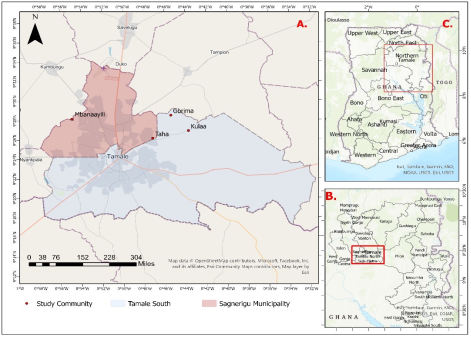
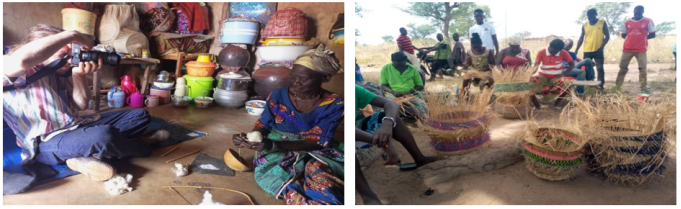
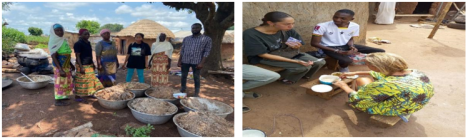
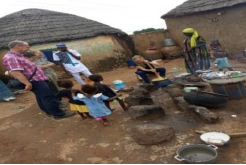
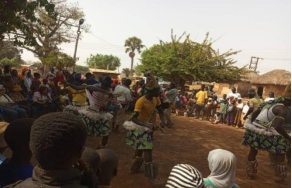




 Share This Article
 Twitter
 Linked In
 Facebook
 Copy
Copy Download